
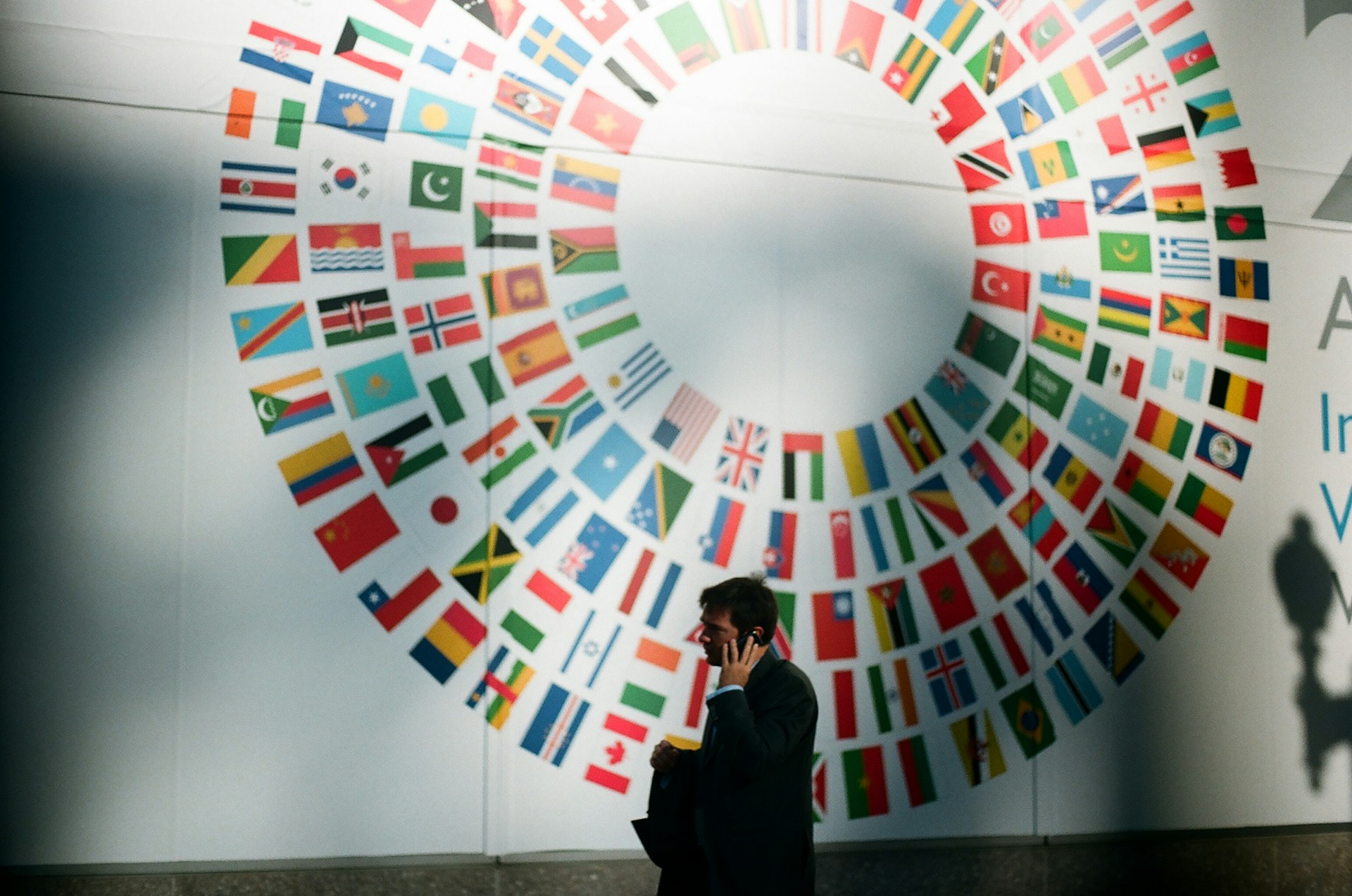
Exploring the diverse ways people greet each other around the world opens a window into their values, traditions, and social norms.
Whether it’s the respectful Wai in Thailand, the warm abrazo in Mexico, or the cheek kisses in Portugal and France, each greeting has its unique charm and significance. These practices are more than just customs; they are a reflection of societal values and historical contexts that have withstood the test of time.
But without further ado – Ever wondered if you’re supposed to shake hands, bump noses, or just give a polite nod when meeting someone around the world?
Buckle up, because you’re about to become a greeting guru, capable of charming socks off from Sydney to Siberia.
1. Japan: Begin with a bow, end with respect. No touching, just a graceful lean forward. It’s like a polite human version of a seesaw.
The bow, or “ojigi,” is the cornerstone of Japanese greetings, varying in depth and duration based on the situation, relationship, and social hierarchy. A slight nod of the head suffices for casual interactions, while deeper bows indicate respect and formality, especially in business settings or when apologizing. This non-verbal gesture communicates sincerity and respect, fundamental values in Japanese culture.
Handshakes, though less traditional, have become more common, especially in international business environments. When shaking hands, it’s typically done with a gentler grip compared to Western standards, often accompanied by a bow, merging Western customs with Japanese sensibility.
Verbal greetings in Japan are equally nuanced, with “Konnichiwa” (Good afternoon) being widely used. However, the choice of greeting changes with the time of day, from “Ohayou gozaimasu” (Good morning) to “Konbanwa” (Good evening), reflecting the language’s attention to detail and context.
Read our full blog post on the art of greeting in Japan
2. Italy: Ah, la bise! Start with the right cheek, and let’s keep it to a friendly peck. Remember, three’s a crowd on the cheek.
The handshake is a common gesture in formal settings and initial meetings, characterized by its firmness and accompanied by direct eye contact and a friendly smile. This blend of professionalism and warmth sets the stage for respectful interactions in business and social environments.
However, the essence of Italian greetings lies in “il bacio,” the cheek kiss. Typically, this involves light kisses on both cheeks, starting with the right. It’s a gesture of affection and camaraderie, extended to friends and family, and even in some professional circles once a closer relationship has been established. The number of kisses can vary by region but usually rests at two.
It’s also common to see Italians use animated hand gestures and close physical proximity during greetings and conversations, reflecting their open and engaging communication style. “Ciao” serves as a casual hello or goodbye among peers, while “Buongiorno” (good morning) and “Buonasera” (good evening) are preferred in more formal or respectful contexts.
3. New Zealand: The hongi is where noses and foreheads unite. It’s the original “sharing is caring,” but with breath.
The handshake is a common greeting across New Zealand, used in both casual and formal settings. It’s typically firm and accompanied by direct eye contact, signaling respect and openness. In professional environments, this gesture is the standard way to greet, regardless of one’s cultural background.
However, the traditional Māori greeting, the “hongi,” holds a special place in New Zealand’s cultural practices. This intimate gesture involves pressing one’s nose and forehead to another’s. The hongi is a powerful symbol of unity, conveying the sharing of life force and the blending of individuals’ auras. While more common in formal Māori ceremonies or significant cultural events, understanding its significance is vital for appreciating New Zealand’s indigenous heritage.
Among friends or in less formal situations, a simple nod or a warm “Hello” or “Kia ora” (a Māori greeting that is widely used across the country) suffices. These verbal greetings, coupled with a smile, reflect the friendly and straightforward nature of Kiwi communication.
4. India: Namaste – where you bring your hands together as if to say, “I see the divine reality TV show host in you.”
The traditional Indian greeting, “Namaste,” involves pressing the palms together near the heart with a slight bow. It’s a gesture that transcends linguistic barriers, embodying respect and a warm welcome. “Namaste” is universally accepted across India and is appropriate for both formal and informal occasions, symbolizing the belief in the divine spark within every individual.
In professional settings, handshakes are also common, especially among men. They tend to be firm and accompanied by direct eye contact, reflecting the influence of Western business practices. However, it’s important to note that in more traditional or rural areas, as well as in interactions involving women, the “Namaste” may be preferred over a handshake, out of respect for local customs and comfort levels.
Physical contact, such as hugs or kisses, is reserved for close friends and family members and is less common in public settings or between genders. Observing and mirroring the greeting style of your Indian counterparts is a good practice, ensuring that your gestures of respect are culturally appropriate and well-received.
5. Middle East: Long, soft handshakes and maybe a nose kiss. Because why smell the roses when you can smell your friend’s cologne?
The handshake is widely used across the Middle East, often with a gentle grip and held longer than in Western cultures, signifying warmth and welcome. Accompanied by direct eye contact and a sincere smile, it reflects the genuine hospitality intrinsic to Middle Eastern culture. In more formal or business settings, this gesture conveys professionalism and respect.
However, the traditional greeting that captures the essence of Middle Eastern warmth is the phrase “As-salamu alaykum,” meaning “Peace be upon you,” to which the reply is “Wa alaykum as-salam,” meaning “And upon you be peace.” This exchange underscores the value placed on peace and goodwill in interactions.
Among close friends and family, it’s common to see men engaging in hearty embraces or even a series of kisses on each cheek. This level of physical contact highlights the closeness of personal relationships within the culture. Women may also exchange kisses on the cheek when greeting each other, depending on the country and local customs.
6. Russia: Firm handshakes here; just think of it as arm wrestling without the competition.
The handshake is the cornerstone of greetings in Russia, especially among men. It is firm, decisive, and accompanied by direct eye contact, embodying the Russian values of strength and sincerity. The handshake is not just a formality but a genuine expression of welcome or agreement, often used in professional settings and when men meet for the first time or after a long absence.
Among women, and between men and women, handshakes are less common and depend on the level of familiarity. In more casual or intimate settings, close friends and family may exchange hugs as a sign of affection and warmth, though this is usually reserved for those who share a strong bond.
A notable aspect of greeting etiquette in Russia is the importance placed on using someone’s name and patronymic (middle name derived from the father’s first name) during formal greetings, which conveys respect and formality. For instance, addressing someone as “Ivan Ivanovich” rather than simply “Ivan” in formal contexts is a mark of respect.
7. Brazil: Hugs and back slaps. It’s like saying, “I’d vote for you in a friendship contest.”
The handshake, while universal, carries a warmer touch in Brazil. It’s firm yet lingering, often accompanied by strong eye contact and a radiant smile, reflecting the Brazilian spirit of openness and friendliness. In professional settings, this is the standard greeting, laying the foundation for respectful and cordial interactions.
However, the essence of Brazilian warmth is encapsulated in the exchange of “beijos” (kisses) on the cheek, a common greeting among friends and family. Typically, one kiss on each cheek suffices, but the number can vary by region. In São Paulo, a single kiss is customary, while in Rio de Janeiro and other parts of the country, two kisses are the norm. Among closer acquaintances and in more informal settings, a hearty hug may accompany the greeting, further emphasizing the close-knit and affectionate nature of Brazilian interactions.
8. Portugal: Cheek kisses, twice for luck. Because one is never enough.
The handshake is common in formal and professional settings, characterized by its firmness and often accompanied by direct eye contact, signaling mutual respect and professionalism. It’s the go-to greeting for first-time meetings and situations where a sense of formality is required.
However, the heart of Portuguese greetings lies in the warmth of “beijinhos” – the little kisses. Typically, this involves two cheek kisses, starting with the right cheek, among friends, family, and sometimes even in more relaxed professional contexts. This gesture embodies the affectionate and inclusive nature of Portuguese society, bridging gaps and welcoming newcomers into the fold.
9. Thailand: The Wai. Pray and bow. It’s yoga meets greeting.
The “wai” is the quintessential Thai greeting, embodying the grace and respect that define Thai social interactions. Performed by placing the palms together near the chest, with a slight bow of the head, the wai varies in its formality depending on the social status of the people involved. The higher the hands are placed (up to the forehead for monks or revered figures), the greater the respect shown. It’s a gesture reserved for greetings, farewells, and expressions of thanks or apology.
Handshakes have become more common in Thailand, particularly in business contexts and with Westerners. However, they tend to be softer and less firm than Western handshakes, complemented by a smile that conveys friendliness and openness.
Understanding when and how to wai is crucial, as it reflects your awareness and appreciation of Thai culture. Generally, it’s not expected for foreigners to initiate a wai with Thais of similar social standing, but returning one is a sign of respect. In more casual or familiar settings, a smile and a polite “hello” in Thai (“sawasdee”) can suffice, maintaining the warm, welcoming nature of Thai interactions.
10. France: Cheek kisses again, but the count changes by region. It’s a bit like a pecking lottery.
The handshake is a standard greeting in formal and business contexts, marked by its firmness and brief duration, accompanied by direct eye contact. This gesture communicates professionalism and respect, laying the groundwork for a positive interaction.
However, the essence of French greetings is most vividly captured in “la bise” – the cheek kiss. This gesture involves lightly touching cheeks and kissing the air, usually starting with the right cheek. The number of kisses varies regionally, from two in Paris to four in some southern parts of France, reflecting the warmth and sociability that underpin French culture.
“La bise” is reserved for friends, family, and sometimes colleagues, depending on the closeness of the relationship and the setting. It’s a sign of affection and camaraderie, blending the traditional with the contemporary in everyday French life.
11. Kenya: Firm handshakes and sometimes a thumb snap. It’s like a secret handshake club, no decoder ring needed.
Handshakes are the cornerstone of Kenyan greetings, often characterized by their lingering nature. It’s not just a formality but a sign of genuine interest and respect. Among friends and acquaintances, the handshake can be accompanied by a slight hold of the wrist with the other hand, enriching the gesture with warmth and sincerity.
Kenya’s diverse ethnic backgrounds bring variations to greetings. For instance, among the Maasai, a soft touch or nod might replace the handshake in certain contexts, reflecting the community’s unique customs. In more urban settings or among younger Kenyans, a more Westernized handshake is common, though still imbued with the Kenyan spirit of hospitality.
Non-verbal cues complement these greetings. Eye contact, for instance, varies; it’s respectful and expected in some communities but might be less direct in others, especially when greeting elders or those in authority. Understanding these nuances is crucial in navigating Kenyan social norms respectfully.
12. South Korea: Bow, then handshake, or both. It’s multitasking at its most polite.
The bow is the traditional Korean greeting, varying in depth and duration based on the age and status of the person you’re addressing. A slight nod of the head suffices for casual encounters, while deeper bows express profound respect or gratitude, particularly in more formal settings.
Handshakes in South Korea have their own etiquette. It’s common to support your right forearm with your left hand as a sign of respect, especially when greeting someone senior or of higher status. This gesture, often accompanied by a respectful bow, bridges the gap between tradition and modern professionalism.
Eye contact, though, is nuanced. While a handshake with direct eye contact is appreciated, prolonged eye contact during a bow can be considered impolite. Balancing this delicate dance of gaze and gesture is key to showing respect and sincerity in your greetings.
13. Australia: A hearty “G’day” and a handshake. Watch out for spontaneous BBQ invitations.
The handshake reigns supreme in both professional and social settings, characterized by its firm grip and accompanied by direct eye contact and a genuine smile. It’s a straightforward expression of goodwill, whether you’re navigating the corporate labyrinths of Sydney or sharing stories in an Outback pub.
But don’t be caught off guard if that handshake quickly evolves into a friendly pat on the back or even a hearty hug among mates. Australians value camaraderie and are quick to elevate their guests from acquaintances to friends, bridging the gap with their trademark openness.
14. Mexico: The abrazo – a warm embrace that says, “Welcome, amigo!”
In Mexico, the handshake is more than just a formality; it’s infused with warmth, often held longer than you might be used to, accompanied by a hearty smile and direct eye contact. This blend of professionalism and personal touch sets the tone for interactions, be it in bustling Mexico City or the serene beaches of Tulum.
But the real heart of Mexican greetings lies in the “abrazo” – a heartfelt hug exchanged among close friends and family, symbolizing trust and camaraderie. In more casual or intimate settings, don’t be surprised if a greeting or farewell includes this warm embrace, a testament to the close-knit fabric of Mexican society.
For women, cheek kisses – a single peck on the cheek – are common among friends and upon first meeting, blurring the lines between formal and informal with a touch of affection.
15. Canada: Firm handshakes and an arm’s length of personal space. It’s the polite zone.
In the land of the Maple Leaf, the handshake stands as the cornerstone of first encounters. Firm, brief, yet warm, a Canadian handshake conveys both welcome and professionalism. Accompanied by direct eye contact, it’s a silent testament to the sincerity Canadians are known for. Whether you’re sealing a deal in Toronto’s financial district or making acquaintances in a small town in Nova Scotia, the handshake is your go-to gesture.
However, Canada’s informal side shines through in more casual settings or as relationships warm up. A slight nod or smile when passing by, or even a friendly wave, demonstrates the laid-back yet respectful nature of daily Canadian interactions. In Quebec, you might find la bise (a cheek kiss) among close friends, echoing French influences.
16. United Kingdom: A firm handshake and perhaps some commentary on the weather. Because nothing breaks the ice like talking about the ice.
The handshake is the bedrock of British greetings, especially in formal and business contexts. It’s characterized by its firmness, brevity, and the accompaniment of direct, but not overly prolonged, eye contact. This gesture conveys professionalism, respect, and a degree of personal boundary, mirroring the British values of privacy and understatement.
In casual or familiar settings, verbal greetings such as “Hello,” “Hi,” or the more colloquial “Cheers” take precedence, often accompanied by a nod or a smile rather than physical contact. Among friends or younger people, a light hug might be exchanged, though this is less common than in some other cultures and usually depends on the level of familiarity.
The concept of “personal space” is taken quite seriously in the UK, and maintaining an appropriate distance during greetings is considered a sign of respect. The cheek kiss is observed occasionally, usually one, quick peck on the cheek among close friends or family, but it’s far less prevalent than in many European countries.
17. Germany: The German handshake is solid, like their cars. A look in the eyes says, “I’m serious about this greeting.”
A firm handshake is the cornerstone of German greetings. It’s customary in both professional and social settings, signaling respect and acknowledgment. Eye contact during the handshake is crucial, as it conveys sincerity and attentiveness. Remember, the handshake is not just a gesture but a silent testament to your character in the eyes of Germans.
In more formal or business contexts, it’s advisable to wait for your German counterpart to initiate the handshake. This respect for hierarchy and protocol can make a significant impression.
18. Spain: Cheek kisses, a quick “ping-pong” match with your face. Two rounds mean you’re officially greeted.
One of the most iconic Spanish greetings is the cheek kiss, usually two – one on each cheek, starting with the right. This gesture is common among friends, family, and sometimes between acquaintances, transcending gender lines. It’s a sign of warmth and welcoming, but observe first; not everyone may expect a kiss from a stranger or in a formal business setting.
Handshakes in Spain are also common, especially in professional contexts or upon a first meeting. They are firm but not overly so, often accompanied by direct eye contact and a friendly smile, signaling trust and openness.
19. China: A nod, a slight bow, or a handshake with both hands. It’s like giving a gift, but the gift is the greeting.
A slight bow or nod is a common greeting, especially among the older generation or in more traditional settings. This gesture signifies respect and acknowledgment without the need for words. However, as China has embraced global business practices, handshakes have become the norm, especially in professional contexts. The Chinese handshake is usually softer and may last longer than what Westerners might be accustomed to, reflecting sincerity and a willingness to build a relationship.
Eye contact in China can be nuanced. While it is appropriate during a handshake, prolonged eye contact may be perceived as confrontational. It’s better to maintain a balance – enough to show sincerity but not so much as to cause discomfort.
Another important aspect to note is the significance of exchanging business cards, which is often accompanied by a handshake. Offer and receive the card with both hands as a sign of respect, and take a moment to examine it before putting it away.
20. Nigeria: Handshakes that involve touching wrists and possibly a bow or kneel. It’s saying, “My respect for you is as deep as my squat.”
Handshakes are common across Nigeria but come with regional and ethnic nuances. A traditional handshake might be prolonged, with a gentle grip, often involving the touching of the other person’s elbow with the free hand as a sign of respect and earnestness. Among the Yoruba, for instance, younger people might show respect to elders by using both hands during the handshake or even by slightly bowing.
In some Nigerian cultures, especially in more traditional settings, it’s not uncommon for people to lower their gaze while greeting someone as a sign of respect, particularly when addressing someone of higher social status or elderliness. This gesture is a non-verbal acknowledgment of the other person’s position and is valued in the Nigerian social fabric.
21. Turkey: Handshakes with close proximity and eye contact. It’s like saying, “We’re friends now, let’s get tea.”
The handshake is a common non-verbal greeting in Turkey, used in both social and business contexts. It is usually firm and may be accompanied by direct eye contact, signaling sincerity and interest. However, the warmth of the Turkish greeting doesn’t stop there; it’s often accompanied by a touch on the arm or shoulder, adding a personal touch that signifies a genuine connection and openness.
In more familiar settings or when meeting someone after a long time, men might greet each other with a pat on the back or even a hug. Among close friends and family, cheek kissing—twice, once on each cheek—is also a common practice, regardless of gender. This gesture is a testament to the close-knit nature of Turkish society and the value placed on personal relationships.
Another unique aspect of greetings in Turkey, especially noted among older or more traditional individuals, is the slight bow with a hand placed over the heart after shaking hands. This gesture is a profound expression of respect and goodwill, embodying the depth of Turkish hospitality.
22. Egypt: Long handshakes and back pats, or double cheek kisses among friends. “I’m so happy to see you, I might just do it again.”
Handshakes in Egypt are common and usually softer and more prolonged than in Western cultures, often accompanied by a warm smile and direct eye contact, signaling friendliness and respect. In more personal or familiar contexts, a handshake might also be followed by a touch on the shoulder or a closer grip, enhancing the sense of camaraderie.
Among close friends or relatives, it’s common to see men engaging in hearty embraces or even a series of quick, light cheek kisses (usually two or three). This level of physical contact underscores the closeness of the relationship and is a hallmark of Egyptian warmth.
23. Argentina: A kiss on the right cheek for everyone, a warm welcome into the friendship circle. “You’re one of us now.”
The cheek kiss, or “un beso,” is the quintessential Argentine greeting among friends, family, and sometimes even upon a first meeting in a social context, regardless of gender. This single kiss on the right cheek symbolizes a welcoming warmth and acceptance, and it’s practiced widely across Argentina. While it might surprise newcomers, it’s a gesture that quickly becomes familiar and is a sign of the Argentine embrace of affection and friendship.
Handshakes are also common, especially in more formal or business settings. They tend to be firm and accompanied by direct eye contact, which conveys sincerity and respect. However, don’t be surprised if a handshake seamlessly transitions into a cheek kiss with someone you’ve met before or when a meeting takes a turn towards the more informal; it’s a natural flow in Argentine social etiquette.
24. Sweden: Firm handshake, brief eye contact. “I respect you, but let’s not make it weird.”
The handshake is the cornerstone of Swedish greetings. It is firm, brief, and accompanied by direct eye contact, signaling both respect and straightforwardness. This form of greeting is common across various contexts, from casual meetings to more formal business interactions. Swedes value their personal space, so while the handshake is an important gesture of greeting, maintaining a respectful distance is equally valued.
Unlike more expressive cultures, Swedes typically reserve physical affection such as hugs and cheek kisses for family members and close friends. It’s relatively uncommon to greet someone you’ve just met with anything beyond a handshake, regardless of the setting. This restraint isn’t an indication of coldness but rather a reflection of the Swedish preference for privacy and comfort.
25. Philippines: “Mano Po” to elders, “beso-beso” for pals, and handshakes with smiles for all!
The most notable and distinctively Filipino greeting is the “Mano Po.” This gesture involves taking the hand of an elder person and lightly pressing it to one’s forehead as a sign of respect and seeking blessings. It is a beautiful tradition that underscores the Filipino value of revering elders and is commonly practiced across generations, especially in more traditional settings.
Handshakes in the Philippines are friendly and may be less firm than Western standards but are given with sincerity. Accompanied by direct eye contact and a welcoming smile, handshakes serve as a universal form of greeting in both social and business contexts.
Cheek-to-cheek kisses, or “beso-beso,” are also prevalent among friends and relatives but tend to be more common in urban areas and among the younger generation. This light brush of cheeks is a sign of affection and camaraderie, used when greeting or parting.
Get insider tips, ask questions & connect with fellow travellers inside our members-only groups
Because travel’s better when we share it.


Responses