
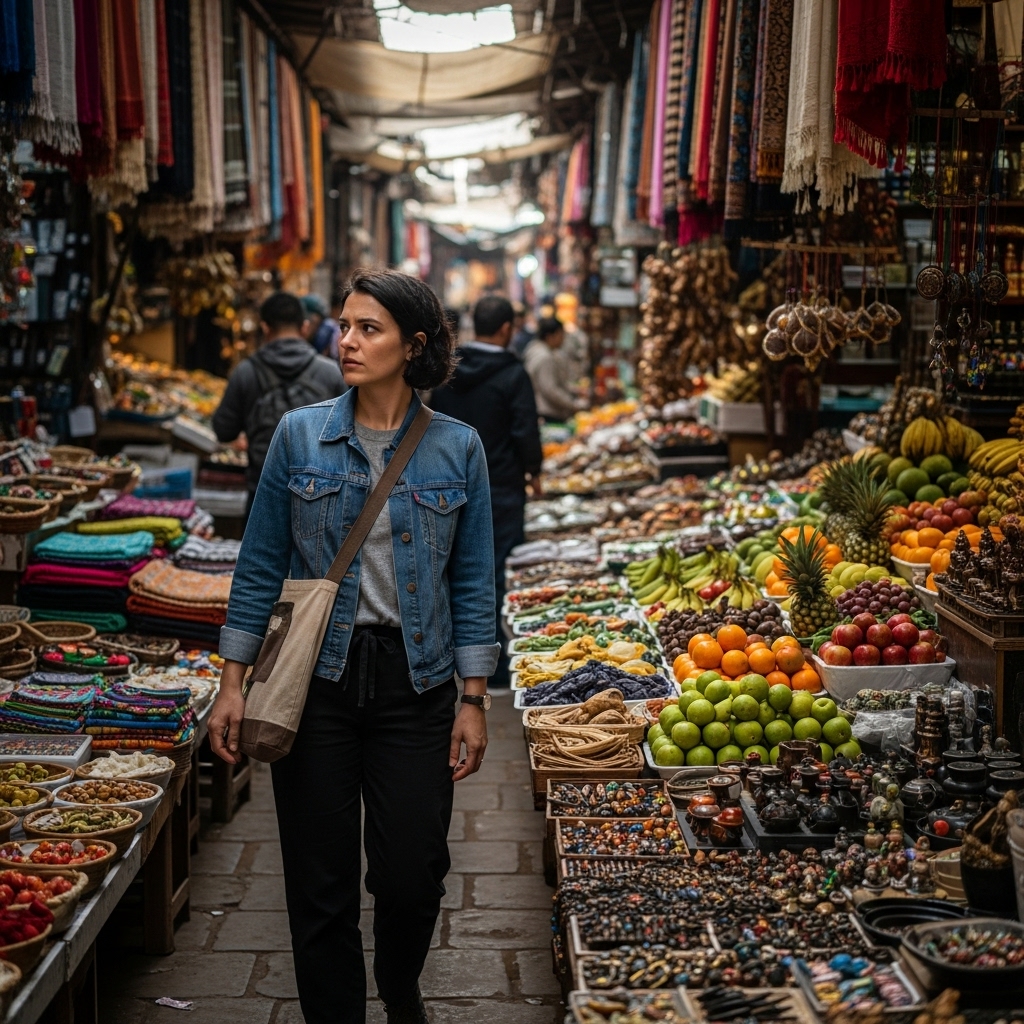
When we’ve been on the road long enough, we start to recognize a certain rhythm in every place. The food is different. The language changes. Each place marches at its own beat. But the scams? Those, oddly, start to feel familiar. As seasoned travelers, we’ve encountered our fair share of tourist scams and have learned the importance of travel fraud prevention.
They evolve, sure. The settings might change from a bustling Bangkok street to a charming Roman piazza, but the core idea stays the same: you’re new, distracted, and someone sees an opportunity. It’s like a universal language of deception, spoken with varying accents, and understanding it is crucial to protect yourself from scams while traveling.
Here are 10 of the most common travel scams we’ve either experienced or seen up close — along with how to sidestep them like a traveler who’s been around the block. Trust us, a little street smarts goes a long way in keeping your wallet (and your peace of mind) intact. Let’s dive into these vacation scams and learn how to avoid travel scams effectively.
1. The “Friendly Local” Who Wants to Practice English
📍 Common in: Thailand, China, Morocco
Ah, the classic. You’re strolling along, feeling that wonderful buzz of being somewhere new, and then – boom! – a super-friendly local appears. Their smile is infectious, their English surprisingly good, and all they want to do is “practice their English.” Next thing you know, you’re being invited for tea at their “auntie’s house,” or to an “exclusive art gallery,” or perhaps to a “traditional cultural show.” It feels innocent enough, charming even. Until the bill arrives, far higher than anything you’d ever expect, or you’re pressured into buying something you absolutely don’t want or need. We once ended up in a teahouse scam in Beijing, admiring what we thought was genuine antique pottery, only to realize we were being steered towards a purchase that would have funded our next several trips!
How to avoid it: Politeness is a virtue, absolutely. But if a stranger seems too eager, too fast, especially with an invitation that feels a little out of the blue — trust your gut. It’s that little voice whispering, “This feels off.” A polite “No, thank you, I’m in a hurry” and a firm walk-away is your best defense. You’re not being rude; you’re being smart and practicing effective travel fraud prevention.
2. The Closed Hotel or Attraction Lie
📍 Common in: India, Southeast Asia
You’ve just arrived, tired from a long journey, and you hop into a tuk-tuk or taxi. You tell the driver your hotel, and they immediately launch into a dramatic tale: “Oh, your hotel? It’s closed! Full! Burned down last week!” (Yes, we actually heard the “burned down” one once in Delhi). But don’t worry, because they know a place. A much better place. With a great deal, of course. This “better place” invariably turns out to be a shady guesthouse that gives the driver a hefty commission, and usually, it’s far from what you booked. This is a classic example of travel agency scams and fraud in the travel industry.
How to avoid it: Always, always, always call your hotel ahead. Don’t take a driver’s word for it. Stay calm, be firm, and insist on going exactly where you asked. If they refuse, get out and find another ride. Your booked accommodation isn’t suddenly going to disappear. This is a key strategy to protect yourself from scams in the transportation sector.
3. Fake Police or Authority Figures
📍 Common in: Mexico City, parts of Eastern Europe
This one can be particularly unnerving because it plays on your respect for authority. Someone in a uniform, or sometimes even plain clothes but with a fake badge, approaches you. They might ask for your documents, accuse you of breaking a minor (often non-existent) rule, or claim there’s a new law you’re unaware of. Then comes the demand for an “on-the-spot fine” to avoid a bigger problem. We’ve heard stories of travelers being told their currency is “illegal” or that they need to “inspect” their wallet. This is one of the more serious street scams that can lead to significant travel fraud.
How to avoid it: A legitimate police officer will always have clear identification. Ask for their ID and scrutinize it. Crucially, never hand over your original passport or large sums of cash. Offer to go to the nearest official police station to sort out the issue. Scammers almost always back off instantly at the mention of an official police station, as they want to operate in the shadows. Being aware of this scam is crucial for travel fraud prevention.
4. The Overpriced Taxi (With No Meter)
📍 Common in: Cairo, Istanbul, Nairobi
You hail a taxi, hop in, and then… “Oh, the meter’s broken.” Or they simply don’t have one. Suddenly, you’re on a mystery tour, sometimes literally, as they take the longest possible route through traffic, inflating the fare by three, four, or even five times the actual cost. We’ve learned this lesson the hard way, staring out the window, watching the city lights blur as the driver circumnavigates what should have been a 10-minute ride. This taxi overcharge scam is one of the most common tourist scams worldwide.
How to avoid it: Negotiate the fare before you even open the door. If they hum and haw, or the price seems exorbitant, walk away. Better yet, embrace the 21st century! Use rideshare apps (like Grab, Bolt, Uber) whenever possible. They offer transparent pricing and route tracking, giving you invaluable peace of mind and helping you avoid travel scams related to transportation.
5. The Bracelet or Flower Scam
📍 Common in: Paris, Rome, Barcelona
This one is swift and often happens in crowded tourist areas. Someone (often a woman or child) walks up to you, seemingly friendly, and before you can even register what’s happening, they’ve deftly wrapped a “free” bracelet around your wrist or pressed a flower into your hand. The moment it’s on, they demand money – often aggressively. If you try to take it off, they might make a scene, drawing attention to you. This bracelet scam is particularly prevalent in popular European destinations and is a prime example of street scams targeting tourists.
How to avoid it: Keep your hands close to your body and be hyper-aware in busy tourist spots. Politely but firmly decline any interaction with street vendors or overly friendly strangers who approach you without you initiating contact. A simple “No, thank you” and keeping your hands out of reach is usually enough. Remember, nothing is truly “free” in a tourist hotspot, especially when it comes to free bracelets or other seemingly harmless gifts.
6. “This Place is Dangerous, I’ll Help You”
📍 Common in: Big cities everywhere, especially near train stations or tourist landmarks
This one plays on your natural caution as a traveler. Someone approaches you, often looking quite concerned, and warns you that the area you’re in is unsafe, or that your backpack is too exposed, or that you’re going the wrong way. They then offer to “guide” you to a safer area or show you the “real” way to your destination. The helpfulness quickly turns into a demand for a hefty tip, or worse, they lead you into a quiet alley where you become vulnerable to a more serious setup. This is one of the more insidious tourist scams that can lead to dangerous situations.
How to avoid it: Thank them, but keep walking. Don’t engage further. Unless it’s official help – someone clearly identified as hotel staff, airport personnel, or a uniformed police officer – do not follow anyone you don’t know. Trust your instincts; if a warning feels too dramatic or unsolicited, it likely has ulterior motives. Your best “guide” is usually a map on your phone. This approach is key to protect yourself from scams that prey on your sense of vulnerability in a new place.
7. Fake Wi-Fi Networks
📍 Common in: Airports, cafes, transit hubs
You’re desperate to check your emails or send a quick update, and you see a Wi-Fi network that looks free and familiar – maybe “Airport_Free_Wifi” or “Starbucks_Guest.” You connect, feeling relieved. But these networks are often set up by scammers to capture your passwords, credit card info, or other sensitive data as you browse. They’re digital fishing nets and a prime example of how travel fraud has evolved in the digital age.
How to avoid it: Your best defense here is proactive. Use a Virtual Private Network (VPN) whenever you connect to public Wi-Fi. A VPN encrypts your internet traffic, making it much harder for anyone to snoop on your data. More importantly, never enter sensitive data (like banking details or credit card numbers) on any open public network. Better yet, invest in an eSIM or a local data plan for your phone. The small cost is well worth the security and convenience. This strategy is crucial for travel fraud prevention in our increasingly connected world.
8. The Rigged Currency Exchange
📍 Common in: Border towns, tourist markets
You’ve just crossed a border, or you’re in a bustling market, and you see a small, unofficial currency exchange booth promising “great rates!” Or perhaps you try to change money with a street vendor. Shady exchange booths are notorious for giving terrible rates, “accidentally” miscounting your money, or even short-changing you with sleight of hand, especially if you seem unsure or distracted. This is one of the classic scams in Italy and other popular tourist destinations.
How to avoid it: Stick to reputable banks or official, well-marked currency exchange offices. Better yet, use ATMs from established banks. Always count your cash on the spot, meticulously, before you walk away from any exchange. If changing with a person, change only small amounts at a time, and always, always count your change immediately and audibly. Being vigilant about currency exchanges is a key aspect of how to avoid travel scams related to money.
9. The “Official” Tour That Doesn’t Exist
📍 Common in: Tourist-heavy cities (think Rome, Paris, Bangkok)
You’re approached on the street by someone offering an amazing, deeply discounted day tour – perhaps to a famous landmark or a hidden gem. They might have a cheap-looking laminated badge or a stack of flimsy flyers. You pay upfront, excited by the bargain, and then… they disappear. Or, if they do show up, the “tour” is wildly different from what was promised – a much shorter version, a different location, or with hidden fees. This scam is particularly common in popular destinations and is a prime example of vacation scams targeting eager tourists.
How to avoid it: Only book tours through verified, reputable agencies, your hotel’s concierge, or well-reviewed online platforms (like Viator, GetYourGuide, or Klook). If someone approaches you on the street offering a deal that sounds too good to be true, it almost certainly is. Take their flyer, do your research, and if it smells fishy, walk away. Legitimate tour operators don’t need to ambush tourists on the street. This approach helps you avoid travel and excursion showcase scams that prey on tourists’ desire for unique experiences.
10. The “Found” Ring or Wallet Scam
📍 Common in: Paris, Bucharest, London
This one is pure street theatre. Someone “finds” a gold ring (usually cheap brass) or a dropped wallet right in front of you. They’ll enthusiastically offer it to you, implying it must be yours. When you say no, they’ll then try to “share” the “finder’s reward” with you, or perhaps demand a “finder’s fee” for the item they supposedly just found. The twist often comes when a second person (an accomplice) appears, accusing you of trying to steal the item, putting you on the defensive and creating a confusing scene where they might pickpocket you or pressure you for cash. This wallet drop scam is a classic example of the intricate street scams that target tourists.
How to avoid it: Simple: Don’t touch things strangers “find” and offer to you. Don’t engage. Keep walking, make eye contact, and politely but firmly say, “No, thank you.” If something seems theatrical, overly dramatic, or just off… it probably is a scam designed to distract and confuse you. Being aware of this scam is crucial to protect yourself from scams that rely on creating confusion and pressure.
Final Thoughts from the Road
We’ve been lucky. Most people in the world are kind, curious, and honest. They’re genuinely happy to help a traveler, share a meal, or point you in the right direction. But travel teaches you to read the room — to smile, to be open, but never to be naive.
Scams thrive on one thing: the assumption that you’re unaware, distracted, or overly trusting. Once you know what to look for, once you recognize the patterns, you become much harder to fool. You start to see the tells, the subtle cues that differentiate genuine human interaction from a carefully orchestrated ploy.
So stay alert, but don’t get jaded. A little awareness goes a long way — and lets you spend more time on what really matters: experiencing the world, soaking in the sights, the sounds, the smells, and the incredible people, instead of constantly dodging its shadows. Remember, effective travel fraud prevention is about being informed and cautious, not paranoid.
Want more travel wisdom like this straight into your inbox?
Subscribe to the newsletter for weekly dispatches from the road.
Connect with fellow travellers in our members-only groups to swap stories and tips with fellow adventurers. Learn how to avoid travel scams, protect yourself, and enjoy your vacations worry-free.



Responses